

Combat PTSD Symptoms in 2025 20+ Years Experience


Life after deployment often feels like stepping into a new battlefield—only this time, the fight happens within. For many service members and veterans, combat PTSD symptoms are a daily reality. In 2025, more than ever, it’s important to recognize that these symptoms are not a sign of weakness, but a natural response to extraordinary experiences.
At Meah Modern Psychiatry, we understand military culture and provide a path from deployment to healing, with over 20+ years of psychiatric expertise guiding the way.
What Is Combat PTSD?
Combat-related Post-Traumatic Stress Disorder (PTSD) develops after exposure to life-threatening or highly stressful events during military service. Unlike civilian PTSD, combat PTSD often involves repeated exposure to trauma, extended deployments, and the challenges of reintegration into both family and civilian life.
Common Combat PTSD Symptoms
Combat PTSD symptoms vary, but they typically fall into four categories:
1. Intrusive Symptoms
- Flashbacks or reliving combat events
- Distressing nightmares
- Sudden emotional or physical reactions to reminders
2.Avoidance Symptoms
- Avoiding crowds, certain places, or conversations about combat
- Emotional numbing or withdrawing from loved ones
3. Negative Changes in Mood & Thoughts
- Persistent guilt or shame
- Trouble trusting others
- Feelings of hopelessness about the future
4. Hyperarousal Symptoms
- Constantly feeling “on guard”
- Difficulty sleeping or concentrating
- Irritability or anger outbursts
Key Insight: Recognizing these symptoms is the first step to seeking treatment. They do not define you—they point toward where healing is needed.
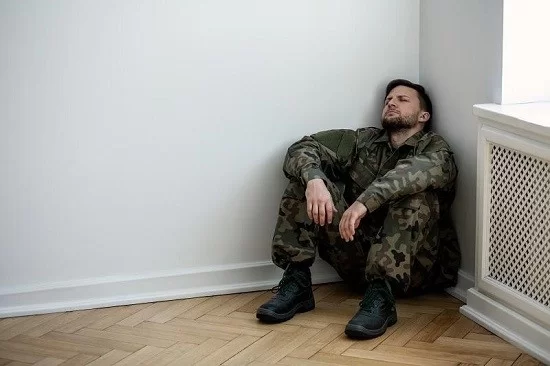
The Real-Life Impact on Veterans & Families
Combat PTSD affects more than just the individual—it ripples through families and communities. Veterans may struggle to connect with spouses, children, or friends. Many feel out of place in civilian careers or social settings. Left unaddressed, symptoms can lead to strained relationships, health challenges, and increased risk of substance use.
Barriers to Care in Military & VA Systems
While support exists, many service members and Veterans find:
- Long wait times at VA facilities
- Confusing insurance or referral processes
- Fear of stigma impacting their career or reputation
These barriers can leave individuals feeling stuck, even when they’re ready for help.
Unique Pathways to Healing in 2025
At Meah Modern Psychiatry, we’ve built our care model around what military members and Veterans truly need:
- Licensed Psychiatrists providing direct, personalized care
- Integrated Services in One Place – therapy, medication management, fitness and nutrition strategies, and cutting-edge therapies like TMS
- Insurance Accepted & Easy Billing – including Tricare, with no hidden costs
- Quick Scheduling Options – same-week appointments and telehealth available
- Military-Sensitive Care – providers who understand the culture, honor confidentiality, and support family resilience
Looking Ahead: Modern Innovations in PTSD Treatment
2025 brings new hope through advanced, evidence-based care:
- Transcranial Magnetic Stimulation (TMS): Non-invasive therapy for treatment-resistant PTSD symptoms
- Mindfulness and Resilience Training: Tools for day-to-day symptom management
- AI-Assisted Monitoring Tools: Personalized progress tracking for sustained results
These innovations make recovery more accessible, personalized, and effective than ever before.
Why Choose Meah Modern Psychiatry?
- 20+ years of clinical experience
- Licensed psychiatrists, not just counselors
- Everything under one roof for convenience and continuity
- Compassionate, stigma-free environment tailored to military families
- Insurance-friendly, easy-to-understand billing

FAQs on Combat PTSD Symptoms
1. What are the first signs of combat PTSD symptoms?
Early signs include nightmares, sleep trouble, irritability, or avoiding social situations.
2. How long after deployment can PTSD symptoms appear?
They may start right away or surface months to years later, often during reintegration.
3. Can combat PTSD be treated without medication?
Yes. Therapy, mindfulness, and fitness can help—sometimes alongside medication.
4. How does PTSD affect military families?
It can strain communication, parenting, and emotional closeness. Family-centered care helps restore resilience.
5. What therapies are most effective for combat PTSD in 2025?
CBT, EMDR, TMS, and psychiatrist-led care combined with lifestyle support are highly effective.
6. Does Tricare cover psychiatric treatment for PTSD?
Yes. Tricare and most major insurance plans cover therapy and medication management.
7. Is it confidential to seek PTSD treatment as an active-duty member?
Yes. Care is confidential, and our psychiatrists are sensitive to military culture and privacy needs.
8. How do I know if I should see a psychiatrist for combat PTSD?
If symptoms disrupt daily life or relationships, a licensed psychiatrist can help explore treatment options.
9. What happens at a first appointment for PTSD care?
You’ll meet with a psychiatrist who listens, reviews your history, and develops a personalized care plan.10. How soon can I get an appointment?
We offer same-week availability and telehealth, so you can start healing without delay.
Your Path From Deployment to Recovery Starts Here
You don’t need to carry this weight alone. At Meah Modern Psychiatry, we walk with you from deployment to healing.